
Driveway Construction
A driveway is the first thing your visitors see and the surface you use every day of the year. Built well, it should still look right in twenty years’ time. Built carelessly, it’ll start to give you problems within five.
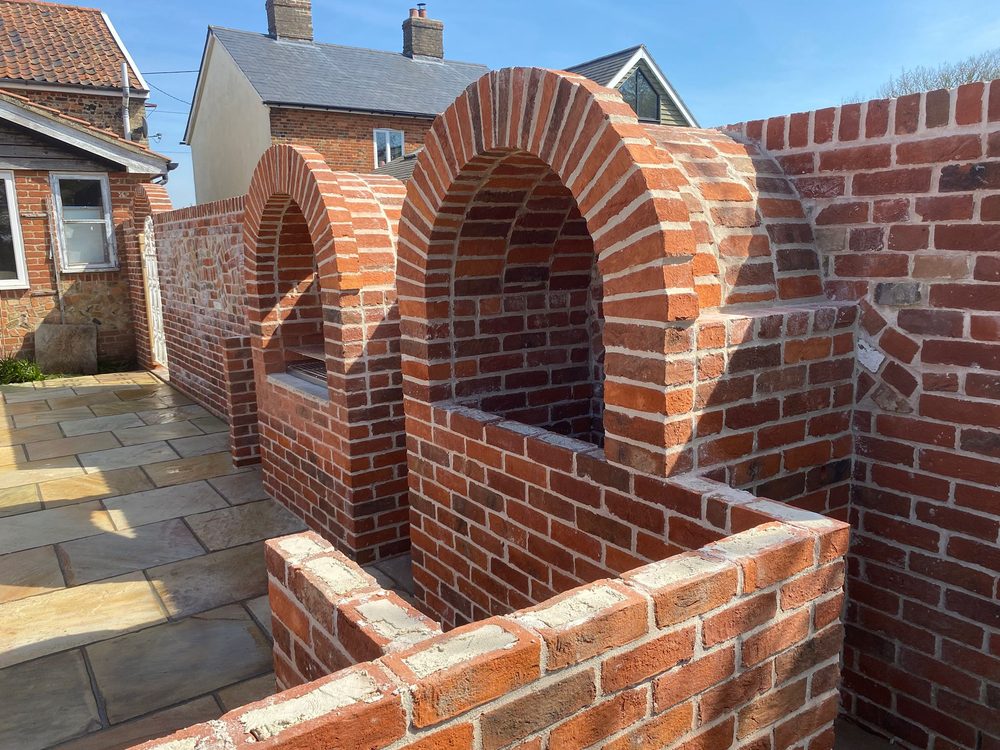
Driveways built to last
We construct driveways across Bury St Edmunds and the wider Suffolk area in all the major surface types — resin-bound, block paving, natural stone setts, traditional gravel, and decorative concrete. The choice depends on the property, your budget, and how you’ll use it.
What stays the same regardless of material is what’s underneath. A driveway carries enormous repeated loads — cars in and out every day, delivery vans, sometimes heavier vehicles still — and the sub-base has to be specified for that. We don’t cut corners on excavation depth, sub-base type, or compaction.
Choosing the right surface
Each driveway material has its place:
- Resin-bound — modern, low-maintenance, permeable (no planning permission needed in most cases), available in a wide colour range. Excellent over an existing sound surface.
- Block paving — traditional, durable, easy to repair section by section. The classic choice for a long driveway.
- Natural stone setts — beautiful, characterful, ages well. Best for entrance courtyards and shorter drives where every metre is on show.
- Gravel — timeless and economical for longer rural drives. Modern grids and edgings make modern gravel drives much more practical than the bare-loose versions of the past.
- Tarmac and asphalt — practical and economical for larger areas, especially commercial.
Drainage and falls
Most driveway problems start with water. Standing puddles, run-off onto the road, edges that hold water against brickwork — all of it is preventable with proper planning. We design falls into every driveway, install effective channel drains where the topography needs it, and route surface water to a soakaway or a proper outfall.
Permeable surfaces (resin-bound and certain gravel systems) help here too, letting water soak naturally through the surface and avoiding the need for planning permission in most front-garden situations.
Edges, kerbs and approaches
The driveway-to-pavement junction matters. We can drop kerbs (subject to council approval), lay clean granite or concrete edgings, and detail the join to the lawn or borders so there’s no soft edge to crumble. Where a drive meets the house, the threshold detail needs to handle rain properly — a small detail that becomes a big problem if ignored.
Related services
You might also be interested in
Get in touch
Thinking about a project?
Whether you’ve got a fully formed brief or just an idea you’d like to explore, we’d love to hear what you’re thinking. No obligation, no hard sell.